
Questions and Answers on Finnish Sauna
Questions and Answers on Finnish Sauna
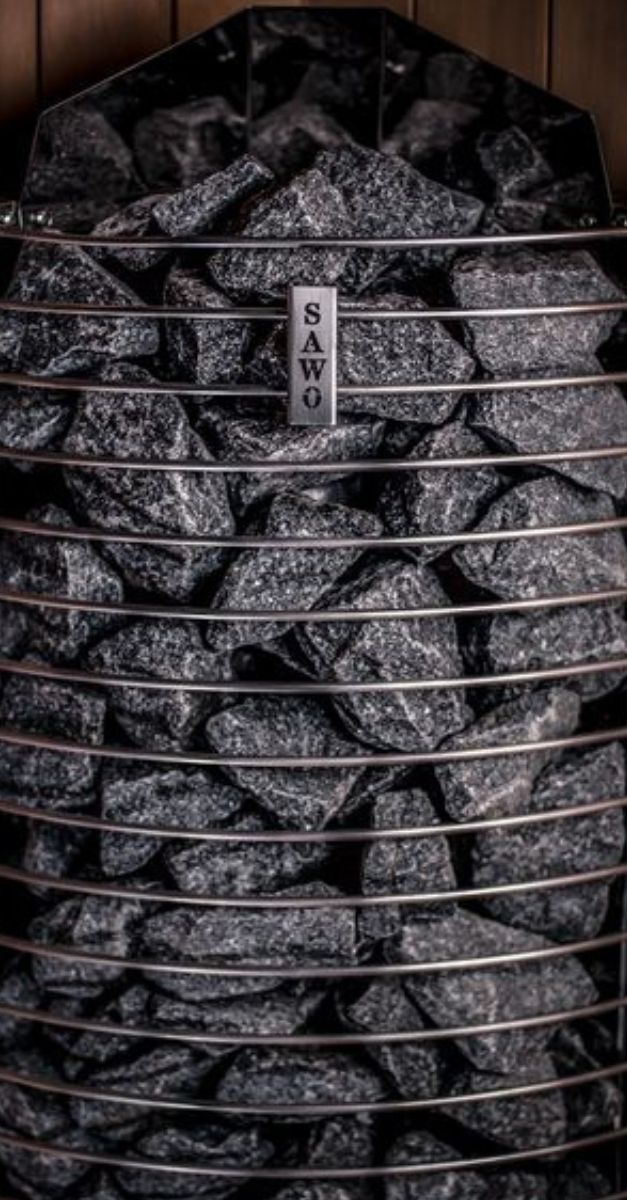
The heat source in a sauna is often powered by a central heater that warms a bed of sauna stones. There are two main types of sauna heaters:
• Electric Heaters: The most popular option today. They are incredibly convenient, heat up quickly, and allow you to easily control the exact temperature of your sauna.
• Wood-Burning Heaters: The traditional method, which relies on a wood fire to heat the space.
Once the stones are hot, you can customize your experience by ladling water over them. This creates a soothing burst of steam that instantly intensifies the heat before slowly settling back down.
The best woods for a sauna are softwoods like Western Red Cedar, Common Aspen, and Finnish Spruce. Often sourced from the northern countries, these woods naturally insulate heat and tolerate extreme moisture changes without warping or shrinking. Importantly, they stay cool to the touch, ensuring sauna benches remain comfortable to sit on even when room temperatures reach 70–80°C (158–176°F).
Here is why these three softwoods are top choices:
• Western Red Cedar: Known for its warm reddish color and fine-grained texture, cedar is exceptionally durable against moisture, making it a perfect choice for outdoor saunas. It also produces a strong, natural scent that repels insects and mold while helping you relax.
• Common Aspen: If you want an elegant, modern look, aspen offers a smooth, creamy white, knot-free finish. This wood species is highly resistant to moisture, bacteria, and fungi, making it a fantastic, hygienic option for commercial or high-use public saunas.
• Finnish Spruce: A staple in traditional saunas in Finland, spruce features a light-yellow tone with a uniform grain and small, healthy knots. It is highly durable under high heat and releases a pleasant, forest-like aroma that enhances the breathing and relaxation experience.
A traditional Finnish sauna is a wood-lined room designed for deep relaxation, powered by a central heater that warms a bed of stones.
What truly defines a Finnish sauna is the authentic tradition of löyly, the act of ladling water over the hot stones. This releases a rejuvenating burst of steam that envelops the room, temporarily intensifying the heat and humidity before gently subsiding.
Beyond simply feeling great, regular sauna bathing is a proven wellness practice. Enjoying this cycle of soothing heat naturally helps to:
• Support heart health and cardiovascular function
• Improve mental well-being and reduce stress
• Give your immune system a healthy boost
Questions and Answers on Sauna Building and Installation Requirements
We highly recommend to have a floor drain in your sauna. While it is not strictly required, installing a floor drain makes the cleaning and maintenance of the sauna significicantly easier as it helps drain excess water after ladling it over hot stones.
The primary requirement for a sauna floor is that it must be completely waterproof. A non-porous surface ensures the room remains hygienic and is easy to wash and maintain. Excellent flooring materials include tile, concrete, or heavy-duty vinyl, as these options are fully water-resistant and will not absorb moisture.
The most effective way to protect the sauna’s wood panels is through proper ventilation and allowing the room to dry completely after every session.
You should never apply paint, sealants, or preservatives to the interior wood. Because sauna wood naturally expands and contracts with the changing heat and humidity, any surface-level coatings will quickly crack, blister, and peel off. To keep your sauna in top condition, it is always best to leave the interior wood completely bare so it can naturally breathe.
The temperature inside a sauna is higher near the ceiling and cooler near the floor because heat naturally rises. Tiered sauna benches are installed at different heights so that bathers can easily customize their experience and choose the heat level that feels most comfortable for them.
The ideal sauna location is a dry, well-ventilated space with waterproof flooring, such as concrete, tile, ceramic, or vinyl. To ensure your sauna functions perfectly and remains easy to maintain, keep these key installation factors in mind:
• Proper Ventilation: Good airflow is essential. It guarantees that any minor condensation from the sauna dries completely after your session.
• Floor Drainage: Installing a floor drain is highly recommended for convenient cleaning and water management.
• Wall Clearance: An active sauna will cause a minor temperature increase in the immediate vicinity. If you are installing a modular indoor sauna, always leave a small gap between the sauna exterior and your home’s interior walls to allow for adequate air circulation.
Questions and Answers on Sauna Heater
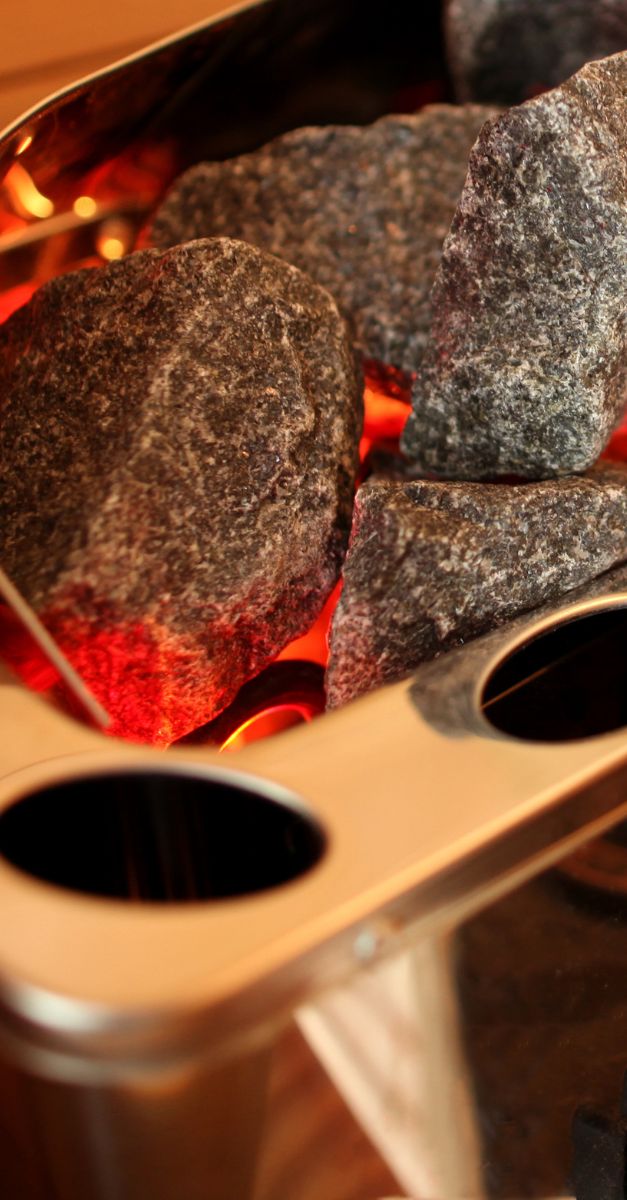
If the heater is installed correctly, electric shock from heater is very unlikely. To ensure the safe use, an qualified electrician must do the installation. All our heaters are tested before delivery and have passed the electrical safety standards.
Questions & Answers on using sauna
Children can safely enjoy a sauna under close adult supervision. For their first few visits, keep sessions brief—just a few minutes. Maintain a moderate temperature, and because heat rises, always have children sit on the lower benches where the air is much cooler.
Do not use sauna with a full stomach or under the influence of alcohol. People with heart problems or acute illnesses should consult a doctor before taking a sauna.
You can stay in sauna as long as you feel comfortable. Leave the sauna to cool off immediately if you start to feel uncomfortable.
As often as you like. But most people go to the sauna twice or three times a week, usually in the evenings to relax after a hard day’s work.
SAUNA MAINTENANCE FOR EVERY SAUNA SESSION
- Use bench towels during sauna for the purpose of keeping benches well-looking longer.
- After sauna session, leave the heater on for 30 minutes to make sauna dry faster from the moisture. Lastly, open the air vents and sauna door to let the sauna ventilate properly.
- Empty pail from water, and lift the ladle to bench. This will help on preventing cracks on wooden accessories, and keep the sauna fresh.
SAUNA MAINTENANCE AT LEAST 1 to 4 TIMES PER YEAR:
- Check the sauna stones in the heater. Clean possible stone dust and crumbs from the bottom of the heater. Remove stones and replace disintegrated ones. Last reload stones back to the heater. Checking the stones from time to time will help to increase the lifespan of heating elements as well as saving energy.
- Check heating elements. In case there are any cracks or elements are bent, replace all elements. Do not replace only one.
- Wash the overall surfaces of sauna benches, ceiling, floor and walls with warm water, soft brush and multi-purpose detergent. However, do not use detergent with ammonia or chlorine). Rinse surfaces with cold water and let sauna ventilate well. If needed, you can apply wood treatment oil, suitable for sauna use, such as paraffin oil to the benches. In this case, read and follow carefully the instructions of wood treatment oil.
- If washing doesn’t get the benches clean, sand the benches with sandpaper. Protect benches with wood oil, which is suitable for sauna use. Follow the wood oil instructions and avoid using the sauna before the oil has dried properly.
- Whenever needed, use mild soap water to clean any calcium stains or other dirt from the heater cover. You can also use SAWO Decalcifying solution. Dry after wash.
- Clean glass surfaces with window cleaning agent or dish soap. If needed rinse, then dry with a squeegee or microfiber cloth.
- Check screws (door, sauna benches, railings) and tighten up if necessary.
- Clean the floor drain.
Water thrown onto the sauna stones needs to be suitable for household consumption. Chlorinated water (e.g. From the swimming pool or jacuzzi) or seawater can cause damages for heater and heating elements.
The main purpose of the sauna stones in the heater is to store enough energy to efficiently vaporize the water thrown on top of the stones to create temperature increase in the sauna. The stones must be removed at least once a year or every 500 hours which ever occurs first. All crumbles must be removed from the heater and replaced with new ones, as described in the heater manual.
Never use the heater without stones as it may cause fire. Use only manufacturer recommended SAWO-stones. Using unsuitable stones may lead to heating element damage and will void the warranty. Never use ceramic stones or other artificial stones of any type!
When the sauna has proper insulation, and vents and doors are closed, the heating time is less than an hour. This depends on also on which heater you have.
The recommended temperature in sauna is from 60-90 Celsius, but this depends on your own preference.