
关于芬兰桑拿的问答
关于芬兰桑拿的问答
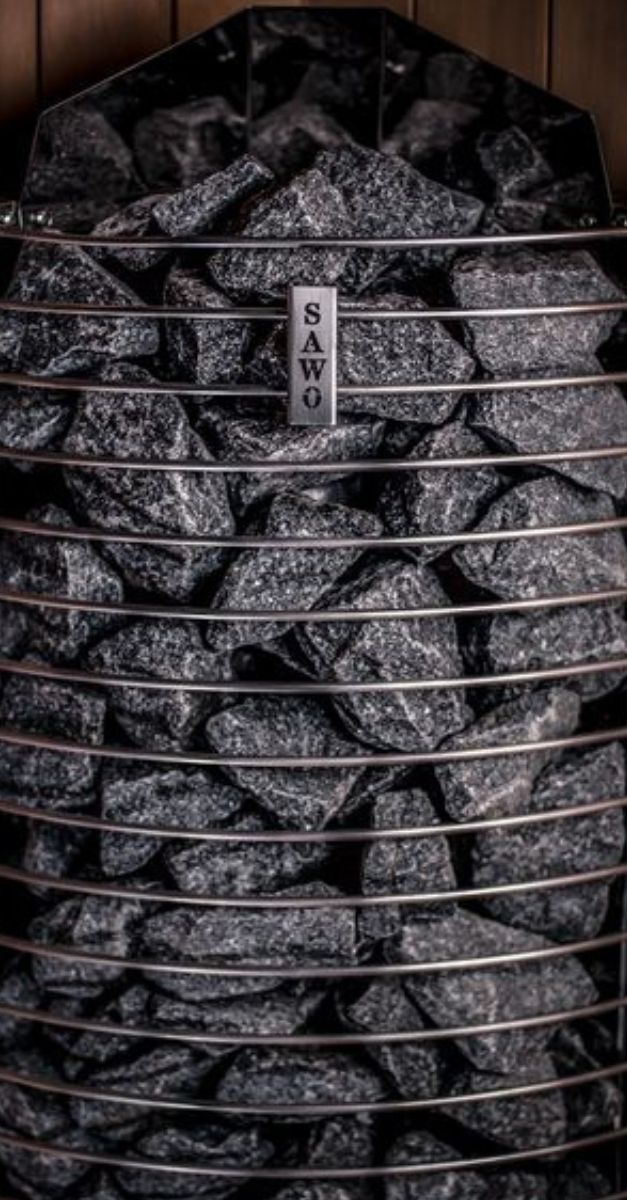
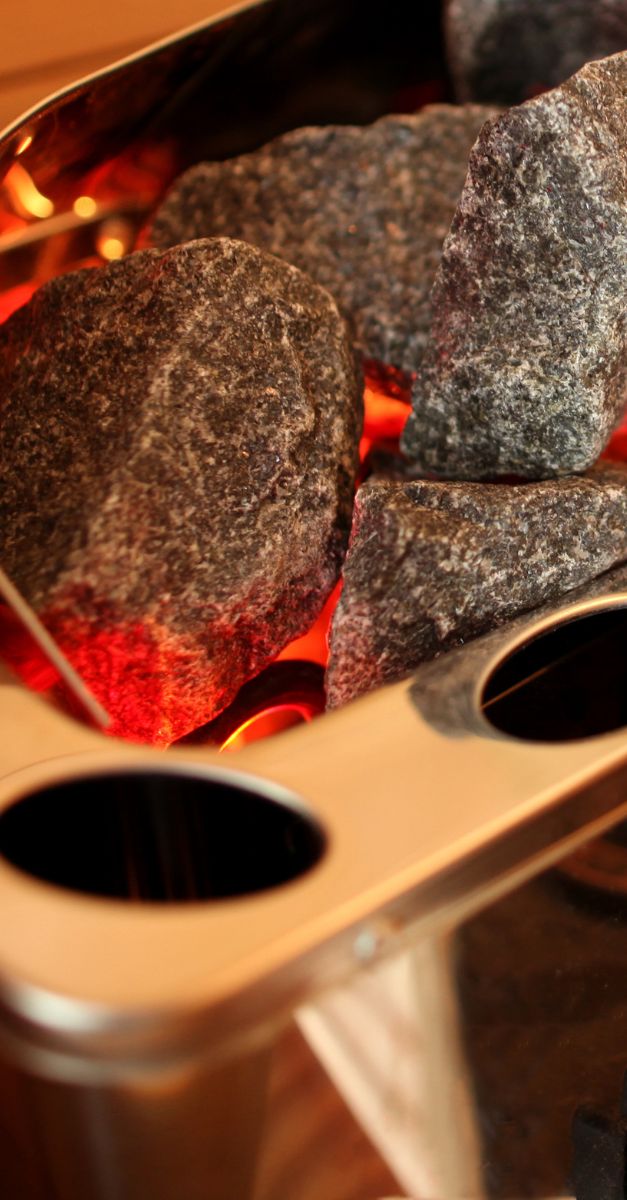
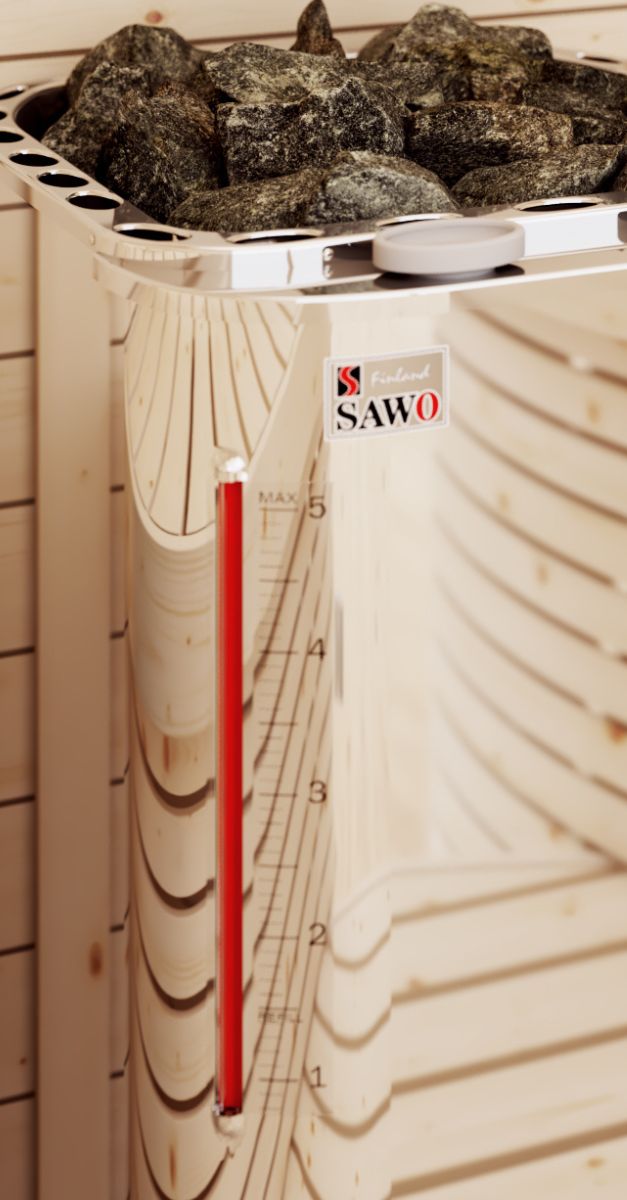
The heat source in a sauna is often powered by a central heater that warms a bed of sauna stones. There are two main types of sauna heaters:
• Electric Heaters: The most popular option today. They are incredibly convenient, heat up quickly, and allow you to easily control the exact temperature of your sauna.
• Wood-Burning Heaters: The traditional method, which relies on a wood fire to heat the space.
Once the stones are hot, you can customize your experience by ladling water over them. This creates a soothing burst of steam that instantly intensifies the heat before slowly settling back down.
The best woods for a sauna are softwoods like Western Red Cedar, Common Aspen, and Finnish Spruce. Often sourced from the northern countries, these woods naturally insulate heat and tolerate extreme moisture changes without warping or shrinking. Importantly, they stay cool to the touch, ensuring sauna benches remain comfortable to sit on even when room temperatures reach 70–80°C (158–176°F).
Here is why these three softwoods are top choices:
• Western Red Cedar: Known for its warm reddish color and fine-grained texture, cedar is exceptionally durable against moisture, making it a perfect choice for outdoor saunas. It also produces a strong, natural scent that repels insects and mold while helping you relax.
• Common Aspen: If you want an elegant, modern look, aspen offers a smooth, creamy white, knot-free finish. This wood species is highly resistant to moisture, bacteria, and fungi, making it a fantastic, hygienic option for commercial or high-use public saunas.
• Finnish Spruce: A staple in traditional saunas in Finland, spruce features a light-yellow tone with a uniform grain and small, healthy knots. It is highly durable under high heat and releases a pleasant, forest-like aroma that enhances the breathing and relaxation experience.
A traditional Finnish sauna is a wood-lined room designed for deep relaxation, powered by a central heater that warms a bed of stones.
What truly defines a Finnish sauna is the authentic tradition of löyly, the act of ladling water over the hot stones. This releases a rejuvenating burst of steam that envelops the room, temporarily intensifying the heat and humidity before gently subsiding.
Beyond simply feeling great, regular sauna bathing is a proven wellness practice. Enjoying this cycle of soothing heat naturally helps to:
• Support heart health and cardiovascular function
• Improve mental well-being and reduce stress
• Give your immune system a healthy boost
关于桑拿房建造和安装要求的问答
We highly recommend to have a floor drain in your sauna. While it is not strictly required, installing a floor drain makes the cleaning and maintenance of the sauna significicantly easier as it helps drain excess water after ladling it over hot stones.
The primary requirement for a sauna floor is that it must be completely waterproof. A non-porous surface ensures the room remains hygienic and is easy to wash and maintain. Excellent flooring materials include tile, concrete, or heavy-duty vinyl, as these options are fully water-resistant and will not absorb moisture.
The most effective way to protect the sauna’s wood panels is through proper ventilation and allowing the room to dry completely after every session.
You should never apply paint, sealants, or preservatives to the interior wood. Because sauna wood naturally expands and contracts with the changing heat and humidity, any surface-level coatings will quickly crack, blister, and peel off. To keep your sauna in top condition, it is always best to leave the interior wood completely bare so it can naturally breathe.
The temperature inside a sauna is higher near the ceiling and cooler near the floor because heat naturally rises. Tiered sauna benches are installed at different heights so that bathers can easily customize their experience and choose the heat level that feels most comfortable for them.
The ideal sauna location is a dry, well-ventilated space with waterproof flooring, such as concrete, tile, ceramic, or vinyl. To ensure your sauna functions perfectly and remains easy to maintain, keep these key installation factors in mind:
• Proper Ventilation: Good airflow is essential. It guarantees that any minor condensation from the sauna dries completely after your session.
• Floor Drainage: Installing a floor drain is highly recommended for convenient cleaning and water management.
• Wall Clearance: An active sauna will cause a minor temperature increase in the immediate vicinity. If you are installing a modular indoor sauna, always leave a small gap between the sauna exterior and your home’s interior walls to allow for adequate air circulation.
关于桑拿加热器的问答
如果加热器安装正确,触电的可能性极低。为确保安全使用,必须由合格的电工进行安装。我们所有的加热器在交付前都经过测试,并符合电气安全标准。
关于使用桑拿的问答
Children can safely enjoy a sauna under close adult supervision. For their first few visits, keep sessions brief—just a few minutes. Maintain a moderate temperature, and because heat rises, always have children sit on the lower benches where the air is much cooler.
每次桑拿房使用后的桑拿房维护
- 在桑拿房内使用长凳毛巾,可以使长凳保持更长时间的美观。
- 桑拿结束后,让加热器继续开启30分钟,以便桑拿房更快干燥。最后,打开通风口和桑拿房门,确保桑拿房充分通风。
- 将水桶里的水倒空,然后把水勺放到长凳上。这样做有助于防止木制配件开裂,并保持桑拿房的清洁卫生。
桑拿房每年至少维护 1 至 4 次:
- 检查加热器中的桑拿石。清除加热器底部的石粉和碎屑。取出损坏的桑拿石并更换新的。最后将桑拿石重新装入加热器。定期检查桑拿石有助于延长加热元件的使用寿命并节省能源。
- 检查加热元件。如果发现任何裂纹或元件弯曲,请更换所有元件,不要只更换一个。
- 用温水、软刷和多用途清洁剂清洗桑拿房长凳、天花板、地板和墙壁的所有表面。切勿使用含氨或氯的清洁剂。用冷水冲洗干净,并让桑拿房充分通风。如有需要,可在长凳上涂抹适用于桑拿房的木材护理油,例如石蜡油。涂抹时,请务必仔细阅读并遵循木材护理油的使用说明。
- 如果水洗无法彻底清洁长凳,请用砂纸打磨。涂抹适用于桑拿房的木油以保护长凳。请遵循木油的使用说明,并在木油完全干燥前避免使用桑拿房。
- 必要时,可用温和的肥皂水清洁加热器盖上的钙渍或其他污垢。您也可以使用 SAWO 除垢剂。清洗后擦干。
- 用玻璃清洁剂或洗洁精清洁玻璃表面。如有需要,请冲洗干净,然后用刮水器或超细纤维布擦干。
- 检查螺丝(门、桑拿长凳、栏杆),必要时拧紧。
- 清理地漏。
浇在桑拿石上的水必须是适合家庭饮用的水。含氯的水(例如游泳池或按摩浴缸的水)或海水可能会损坏加热器和加热元件。
桑拿炉内桑拿石的主要作用是储存足够的能量,以便有效地蒸发浇在石头上的水,从而提高桑拿房内的温度。桑拿石至少每年或每运行500小时(以先到者为准)必须取出一次。所有碎石都必须从炉内清除,并按照炉内使用手册中的说明更换新的桑拿石。
切勿在没有石子的情况下使用加热器,否则可能引发火灾。请仅使用制造商推荐的 SAWO 石子。使用不合适的石子可能会损坏加热元件,并使保修失效。切勿使用陶瓷石子或任何类型的其他人造石子!